
How Much Is 10Kg? 13 Common Things That Weigh About 10Kg
Have you ever wondered how much 10 kilograms really is? It might sound like a lot, but it’s actually the weight of many common items we encounter daily.
In this article, we’ll explore “How Much Is 10Kg? 13 Common Things That Weigh About 10 Kg,” giving you a clear idea of what this weight looks like in real life. You’ll find this knowledge useful in various situations.
How Much Is 10 Kg?
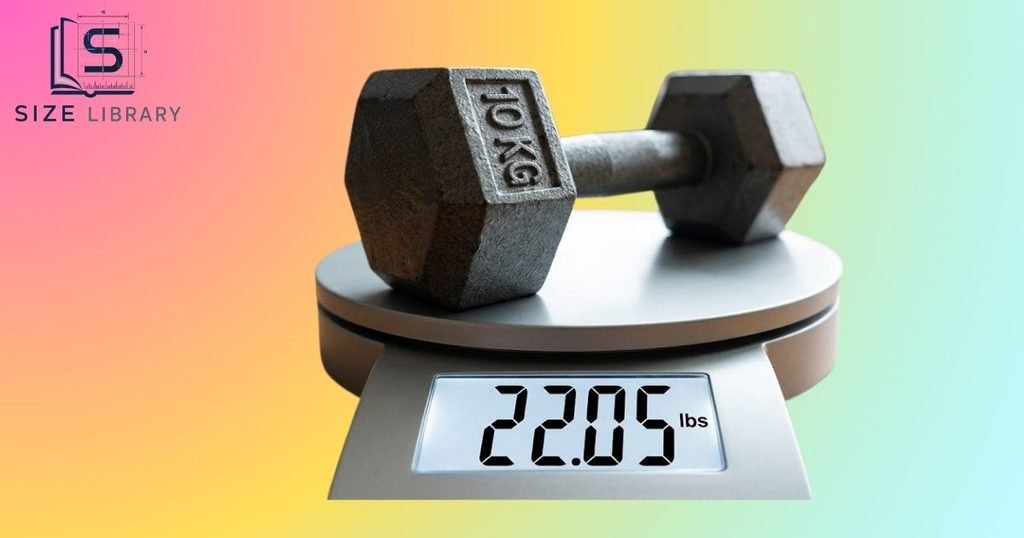
Ten kilograms is a solid measure of weight, equivalent to 10,000 grams and about 22.05 pounds. Although the mass remains the same, 10 kg can feel different depending on the object’s size, shape, and how the weight is distributed. For example, 10 kg of feather pillows feels lighter and easier to manage than 10 kg of iron blocks.

How Heavy Is 10Kg?
Carrying 10 kg can feel like managing a heavy backpack or a full grocery bag. For many, it’s the weight of a small dog or a sizable laptop case filled with books. Compare it to everyday items: think of a 10 kg bag of flour or a large watermelon.

Is 10 Kg Heavy?
Ten kilograms can feel heavy, but many adults can lift it without much trouble. Lifting 10 kg for a short time is easier than carrying it over a long distance. How heavy 10 kg feels also depends on your fitness, age, and how you hold it.
10 Kg in Other Measuring Units
| Unit | The equivalent of 10 kg |
| 10kg to g | 10,000 g |
| Milligrams (mg) | 10,000,000 mg |
| Metric Tons (t) | 0.01 t |
| 10kg to lbs | 22.0462 lbs |
| 10kg to oz | 352.74 oz |
| 10kg to stone | 1.57 st |
How Many Pounds Is 10Kg?
Ten kilograms equals approximately 22.05 pounds. The formula for converting kilograms to pounds is: multiply the number of kilograms by 2.20462. So, for 10 kg, take 10 and multiply it by 2.20462 to get 22.0462 lb.
How Many Grams Are in 10Kg?
When converting 10 kilograms to grams, the answer is 10,000 grams. This conversion is based on the fact that 1 kilogram is equal to 1,000 grams. Whether you’re cooking, weighing luggage, or studying for an exam, knowing this basic conversion can save you time and frustration.
How Many Ounces Is 10 Kg?
If you’re wondering how many ounces are in 10 kilograms, the answer is approximately 352.74 ounces. This conversion can be helpful, especially if you’re cooking or calculating measurements in a different system.
How Many Stones Is 10 Kg?
When converting kilograms to stones, know that 1 kilogram is approximately 0.157 stones. Therefore, if you have 10 kg, the conversion gives you around 1.57 stones.
What Is 10Kg Weight? 13 Common Things That Weigh About 10 Kg
A 10 kg weight is equivalent to about 22 pounds. This weight is common in various contexts, like gym equipment or household items. Here are some practical examples of 10 kgs.

A 10 Kg Dumbbell
A 10 kg dumbbell weighs about 22.05 pounds. In gyms, it’s a popular choice for beginners and those looking to tone their muscles. People often use it for exercises like bicep curls and shoulder presses.
10 Liters of Water
One liter of water weighs approximately 1 kg. Therefore, 10 liters of water equals 10 kg. It is an easy way to visualize this weight. People often use this comparison to understand weight better.
A Large Bag of Potatoes
A typical large bag of potatoes weighs around 10 kg. This common item helps create a direct comparison for everyday life. Understanding that a 10 kg bag of potatoes is substantial can help in assessing weight better in various situations.
A 10 Kg Bag of Rice or Flour
A 10 kg bag of rice or flour is a common household item found in many kitchens. This bag offers a practical way to visualize weight. When you lift it, you can grasp the heft of 10 kg.
A French Bulldog
A typical adult French Bulldog weighs around 10 kg. These dogs are known for their charming personalities and compact frame. Individual weights may vary due to factors like age and health, but they generally weigh 10 kilograms.
An Adult Dachshund
Adult Dachshunds often weigh around 10 kg. These dogs are known for their long bodies and short legs. While standard Dachshunds are more robust, miniatures typically weigh less than 5 kg.
A Swan
Swans are beautiful, large waterfowl known for their graceful necks and stunning plumage. The weight of a swan can vary depending on the species. For instance, a mute swan typically weighs between 9-15 kg, while a trumpeter swan can reach up to 13-17 kg. Some smaller species, like the tundra swan, can weigh 10 kg.
A Turkey
Adult turkeys come in different shapes and sizes. Wild turkeys typically weigh between 5-12 kg, while domesticated breeds can weigh more. Some domesticated turkeys can weigh 10 kg.
A Car Tire
Car tire weights vary depending on the size and type of tire. Some car tires can weigh around 10 kg. A standard passenger tire might weigh between 7-12 kg, while larger tires for SUVs or trucks can weigh much more.
Four Bricks
Four standard bricks can weigh approximately 10 kg (2.5 kg per brick). This weight is primarily influenced by the type of brick, such as concrete, clay, or other materials. Bricks are often used in construction, landscaping, and crafts.
A Medium Microwave
The weight of a medium microwave typically ranges from 8 kg to 12 kg. Some models approach 10 kg due to features like larger capacities or additional functions, such as convection cooking or sensor cooking. These components add to the overall weight and also enhance usability and cooking efficiency.
A Medium-Sized Watermelon
A medium-sized watermelon typically weighs around 5 to 10 kg (11 to 22 lb), depending on its variety. These fruits are known for their sweet, refreshing taste and mostly consist of water.
A Loaded Backpack
Imagine carrying a backpack filled with schoolbooks, hiking gear, or travel essentials. A loaded backpack typically weighs around 10 kg. This weight can feel substantial, especially over long distances, but it’s manageable for most people.
What Does 10 Kg Feel Like to Carry?
Carrying 10 kg can feel different depending on how you manage it. If you lift it with two hands, it may feel less daunting, but carrying it with one hand can lead to fatigue.
Carrying 10 Kg in One Hand
When you hold 10 kg in one hand, you’re not just lifting weight; you’re engaging your muscles to maintain grip and balance. Holding it means the weight is supported entirely by your hand.
Carrying 10 Kg in a Backpack
When you wear a backpack with 10 kg, the experience changes. The weight spreads across your shoulders and back, altering your center of gravity. This distribution can make 10 kg feel lighter since the pressure is shared.
Lifting 10 Kg at the Gym
At the gym, lifting a 10 kg dumbbell and a 10 kg barbell feels different. A dumbbell targets single muscles and requires more control and stabilization. A barbell engages more muscle groups and spreads the weight’s load.
10 Kg Compared With Common Household Weights
| Comparison | Approximate Weight |
| 1 liter of water | 1 kg |
| 5 liters of water | 5 kg |
| 10 liters of water | 10 kg |
| 10 kg bag of rice | 10 kg |
| 10 kg dumbbell | 10 kg |
| 20 lb weight | 9.07 kg |
| 25 lb weight | 11.34 kg |
How to Visualize 10 Kg
Visualizing 10 kg becomes simpler when you associate it with common, tangible objects. Here are some common ways to visualize 10 kgs.
- Ten One-Liter Bottles of Water: Picture ten water bottles lined up. Each holds about 1 kg, totaling 10 kg.
- Two 5 kg Bags: Think of two bags filled with flour or sugar. Together, they weigh 10 kg.
- A Single 10 kg Bag of Rice: Visualize a heavy bag of rice from the store.
- One 10 kg Dumbbell: If you work out, grab a 10 kg dumbbell. This exercise tool provides a clear sense of the weight.
10 Kg vs. Other Common Weights
| Weight | Pounds (Approx.) | Compared With 10 Kg |
| 5 kg | 11.02 lb | Half of 10 kg |
| 7.5 kg | 16.53 lb | 2.5 kg lighter |
| 10 kg | 22.05 lb | Reference weight |
| 12.5 kg | 27.56 lb | 2.5 kg heavier |
| 15 kg | 33.07 lb | 1.5× as heavy |
| 20 kg | 44.09 lb | Twice as heavy |
| 25 kg | 55.12 lb | 2.5× as heavy |
| 30 kg | 66.14 lb | 3× as heavy |
10 Kg in Everyday Life
- Grocery Shopping: When you pick up a 10 kg bag of potatoes, you can feel how heavy it is.
- Luggage and Backpacks: A 10 kg suitcase can be a challenge to carry. Airlines often have weight limits to ensure easy handling.
- Fitness Equipment: Weights are often sold in 1 kg increments. Lifting a 10 kg dumbbell may seem manageable, but over time, it builds strength.
- Pet Food: A 10 kg bag of dog food will last a while, but it’s also a lot to handle at once.
- Rice, Flour, and Other Bulk Foods: A 10 kg sack of rice is a staple for many households.
- Water Containers: Water jugs are often filled to around 10 kg.
- Household Appliances: Many small appliances weigh about 10 kg.
Conclusion
Understanding “how much is 10 kilograms” can help in daily life. Many common items, like a dog food bag or a medium-sized watermelon, weigh around this amount. This knowledge can aid in better decision-making for shopping and cooking. It also gives a clear idea of what you’re lifting or carrying.
FAQs
How Much is 10 Kilos?
Ten kilos is equal to 10,000 grams. It’s a unit of weight used in many parts of the world. This weight is commonly found in food packages, like bags of flour or sugar, as well as in luggage. It also represents a moderate everyday weight for various household items.
How Much is 10 kg in Pounds?
To convert 10 kilograms to pounds, use the conversion factor: 1 kilogram is equal to about 2.20462 pounds. So, when you multiply 10 kilograms by this number, you get approximately 22.0462 pounds. It can be rounded to 22.05 pounds.
How Much is 10 Kg in Weight?
10 kg is a measure of mass that equals 10,000 grams. It’s like carrying ten bags of sugar, as each bag usually weighs about one kilogram. For most adults, it is a weight they can lift easily.
What Weighs 10 Kg in Real Life?
Many common items weigh around 10 kg. For example, a large bag of rice is approximately 10 kg. A 10-liter container of water also weighs about 10 kg.
How Much is 10 Kg in lbs?
To convert 10 kilograms to lbs, multiply 10 by the 2.20462 conversion factor. It is approximately 22.0462 lbs. It’s 22.05 lbs. So, 10 kg is about 22 lbs when rounded to the nearest whole number.