
100kg: Complete Guide in Pounds, Stone & Real-Life Examples
Have you ever been puzzled about how 100kg translates to pounds or stone? You’re not alone! Weight conversions matter, whether for gym enthusiasts or those managing health goals.
This article, “100kg: Complete Guide in Pounds, Stone & Real-Life Examples,” breaks down the numbers for you. You’ll learn the exact conversions as well as practical examples to help you visualize what 100kg really means.
How Heavy Is 100kg?
100 kg is equal to approximately 220.46 pounds (lb) or 15.75 stone. This is a substantial amount of mass. To put it into perspective, imagine lifting a large barbell; 100 kg is often the weight used by serious weightlifters. It could also be the combined weight of several hefty household items, such as exercise equipment or a couple of large bags of groceries.
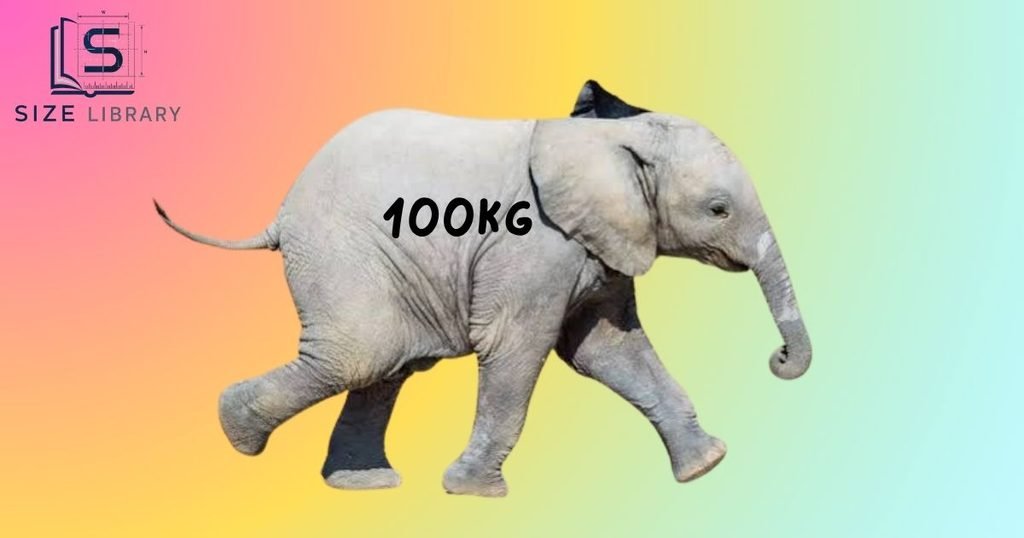
What Does 100kg Look Like?
Imagine 100 kg; it is similar to the weight of a large adult man. You could picture it as ten 10 kg bags of rice stacked together. You can also imagine it as five 20 kg weights typically used in gyms. If you have four 25 kg bags of flour or rice, you’ve got the same total weight. Some large refrigerators can also weigh around 100 kg. Two 50 kg sacks reach this total.

How Much is 100kg in Other Units?
| Unit | 100 kg is equal to |
|---|---|
| 100 kg in Grams (g) | 100,000 grams |
| 100 kg in Milligrams (mg) | 100,000,000 mg |
| 100 kg in Metric Tons (t) | 0.1 metric ton |
| 100kgs in lbs | 220.46 lbs |
| 100 kg in Ounces (oz) | 3,527.40 oz |
| 100kg to Stone | 15.75 stone (UK) |
| 100 kilos to stones and pounds | ≈ 15 stone 10.46 pounds |
What is 100 kg? Common Things That Weigh About 100kg
A weight of 100 kg is equivalent to about 220 pounds. This is roughly the weight of a large adult male. Common items around us that weigh about 100 kg are as follows:

Three-Seater Sofa
Three-seater sofas can weigh close to 100 kg, depending on their structure and materials. Heavier sofas often feature sturdy frames made of wood or metal. They provide ample seating for families and guests.
Small Motorcycle
Small motorcycles usually have a curb weight that approaches or exceeds 100 kg. Models like scooters and commuter bikes generally fall within this range. These motorcycles are designed for efficiency.
Two 50kg Sacks
In weightlifting, two 50kg sacks equate to 100kg. These sacks are commonly used in various industries for packaging materials such as grains or fertilizers. Their size makes them manageable.
Ten 10kg Weight Plates
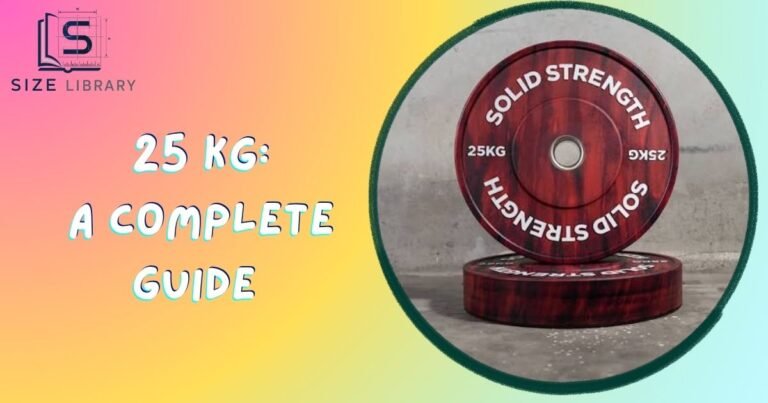
Ten 10kg weight plates collectively weigh 100 kg. These plates are used in gyms for strength training, adding resistance to exercises like squats or deadlifts. They typically have a standard diameter of 450 mm and can be made from different materials, including rubber or iron.
Several Large Bags of Potatoes
A large bag of potatoes generally weighs about 10 kg. So, if you consider ten bags, that totals to around 100 kg.
A Heavy Piece of Gym Equipment
In gyms, some machines can weigh 100 kg. This includes multi-station home gyms or heavy-weight benches. Such equipment provides stability and safety during intense workouts.
A Heavy Wooden Furniture Piece
A solid-wood furniture piece, such as a large dining table or an armoire, can approach 100 kg. These items are often crafted for durability and can last for generations. Their weight reflects quality craftsmanship and stability.
A Stack of 100 One-Kilogram Objects
Visualizing 100 one-kilogram objects helps us grasp weight and mass in everyday life. You can imagine 100 separate 1-kg objects, such as weights or packaged goods, adding up to 100 kg.
Five Olympic Barbells
A standard Olympic barbell weighs about 20 kg, so five of them would total 100 kg. These are essential for strength training and Olympic weightlifting. They help develop muscle strength, power, and overall athletic performance.
Animals That Weigh Around 100kg
Animals weighing around 100 kg are diverse and fascinating. Here are some of the most common 100 kg animals.
Giant Panda
Giant pandas, native to the mountainous regions of China, are known for their distinctive black-and-white fur. Adult pandas can weigh around 100 kg. These bears primarily eat bamboo, consuming up to 38 kg daily.
White-Tailed Deer
The white-tailed deer is a common sight across North America and can weigh close to 100 kg in males. Their size varies depending on species and region. White-tailed deer are herbivores.
Spectacled Bear
Spectacled bears can weigh around 100 kg, with size varying between genders. Native to the Andes, they are primarily solitary and feed on fruits, leaves, and occasionally small animals. Their role in seed dispersal is vital for forest regeneration.
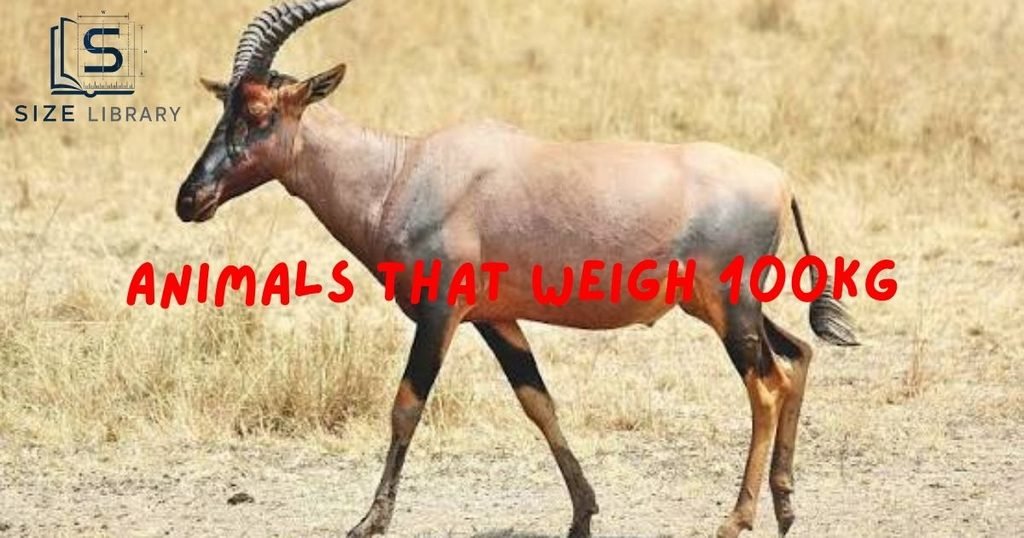
Topi
Some topi, a type of antelope native to Africa, can weigh 100 kg. They are known for their distinctive shape and social behavior. Topis play a vital role in their ecosystems by grazing on grasses.
100kg Compared With Other Common Weights
| Weight | Relationship to 100 kg |
| 10 kg | 1/10 of 100 kg |
| 20 kg | 1/5 of 100 kg |
| 25 kg | 1/4 of 100 kg |
| 50 kg | Half of 100 kg |
| 75 kg | Three-quarters of 100 kg |
| 100 kg | Reference weight |
| 125 kg | 1.25× 100 kg |
| 150 kg | 1.5× 100 kg |
| 200 kg | 2× 100 kg |
100kg in Everyday Life
A 100-kg weight often appears in everyday scenarios, especially when you think about fitness and health. Here are some situations where a 100 kgs weight is used.
- Fitness: Weights in gyms often come in increments, and 100 kg is a common benchmark for strength training. Lifting this weight can indicate significant progress in muscle development and fitness levels.
- Shipping: In logistics, understanding package weights is vital. A shipment weighing 100 kg can influence cost, handling requirements, and transportation methods.
- Household: Many appliances, such as washing machines or refrigerators, are approximately 100 kg. Knowing this weight helps with safe installation and maintenance.
- Food: When buying in bulk, such as bags of rice or potatoes, 100 kg is a standard reference. This can affect storage space and cooking planning for households and businesses.
- Transportation: Vehicles must account for weight limits, and a 100 kg load can directly impact fuel efficiency and handling.
- Science: In labs, precise measurements in kilograms, including 100 kg, are critical for experiments and data collection in fields such as physics and chemistry. Accurate mass measurement can affect experimental outcomes.
FAQs
How Many Pounds Is 100 Kg?
100 kilograms is equal to about 220.46 pounds. To convert kilograms to pounds, multiply the number of kilograms by 2.20462. So, for 100 kg, it would be 100 x 2.20462 = 220.46 pounds.
How Much is 100 Kilos Weight?
100 kilos is equal to 100,000 grams. In the United States,100 kilograms is about 220.46 pounds. In the UK and Ireland, 100 kilos is roughly equal to 15 stone and 10.5 pounds. On a bathroom scale, it will show 100.0 kg.
Is 100kg Heavy for a Man?
Whether 100 kg is considered heavy for a man depends on his height, body type, and muscle mass. A tall or muscular man may carry this weight without issue, but for someone shorter or with less muscle, 100 kg might feel quite heavy.
How Much is 100kg in Stone and Pounds?
100 kilograms is about 220.46 pounds. To convert pounds to stones and pounds, there are 14 pounds in a stone. If you divide 220.46 pounds by 14, it is about 15.75 stones. This means 100 kilograms equal 15.75 stones or 15 stones and 10.5 pounds.
How to Convert 100kg to Pounds?
To convert 100 kilograms to pounds, use this formula: kilograms × 2.20462 = pounds. So, multiply 100 by 2.20462. It equals about 220.462 pounds. If you round it, it would be 220 pounds.
Conclusion
100 kg is equal to 220.46 pounds, 15.75 stone, and 100,000 grams. You can visualize this weight through common items such as appliances, furniture, gym equipment, and certain animals. Understanding these conversions makes it easier to visualize and compare 100 kg in everyday life.